The supply chain and logistics industries form the backbone of the St. Louis economy. With its central location, major interstates, and bustling river ports, the Greater St. Louis area, including industrial hubs like Fenton, Earth City, and the Hazelwood logistics corridor, is home to thousands of warehouses, manufacturing plants, and distribution centers. However, the sheer size and complexity of these facilities, as well as the high-value inventory housed within them, make them prime targets for a wide range of security threats.
Whether you manage a 50,000-square-foot manufacturing plant or a massive regional distribution center, relying on basic locks and a night watchman is no longer sufficient. Today's commercial security systems require a multi-layered, integrated approach. From external cargo theft to internal inventory shrinkage, the challenges are immense. In fact, studies show that employee theft is frequently one of the leading causes of loss, occurring at a rate 15 times higher than external losses.
In this comprehensive guide, we will explore the unique security challenges facing St. Louis industrial facilities, break down the essential components of a modern warehouse security system, and provide actionable best practices to protect your property, personnel, and profits.
Understanding the Unique Threats to Industrial Facilities
Warehouses and manufacturing plants face a unique mix of internal and external threats that can compromise their integrity. Understanding these specific risks is fundamental to developing an effective defense strategy for your St. Louis business
The Threat of Internal Theft and Shrinkage
While external break-ins make the evening news, the quiet, persistent drain from internal theft often causes the most financial damage. Internal theft is one of the most significant sources of inventory loss in the logistics sector. Employees have legitimate access to the facility, understand the blind spots in the warehouse security cameras, and know the shipping schedules.
Theft can range from a single employee pocketing small, high-value items during a shift change to organized collusion where workers manipulate inventory records to divert entire pallets of goods. Because warehouse workers have legal access to sensitive areas, detecting internal theft can be incredibly difficult without the right access control and surveillance technology in place.
External Intrusions and Organized Cargo Theft
Organized retail crime and cargo theft are on the rise nationally. Criminals often target distribution centers, using sophisticated methods to bypass weak perimeter security. They may conduct surveillance to identify vulnerabilities in your facility's fencing, loading docks, or unmonitored gates. After hours, unoccupied facilities become prime targets for burglary and vandalism. Thieves look for specific high-value goods, while vandals can cause property damage that disrupts operations and requires expensive repairs. Furthermore, unsecured parking lots and trailer yards are hotbeds for theft, where fully loaded trailers can be stolen or broken into when left unattended overnight.
Operational and Safety Hazards
Security is not just about preventing theft; it is also about ensuring operational continuity and life safety. Warehouses are inherently hazardous environments filled with heavy machinery, forklifts, and constant movement. A comprehensive commercial security system must include robust commercial fire alarm systems to detect smoke or heat instantly, ensuring compliance with strict National Fire Protection Association (NFPA) codes. An undetected fire or a severe workplace accident can bring operations to a grinding halt, leading to missed deadlines, costly delays, and unhappy clients.
Core Components of a Warehouse Security System
To effectively combat these threats, St. Louis industrial facilities must implement a multi-layered security strategy. This means moving away from standalone, disjointed systems and embracing a unified security platform where access control, surveillance, and alarms work together seamlessly.
Advanced Commercial Video Surveillance
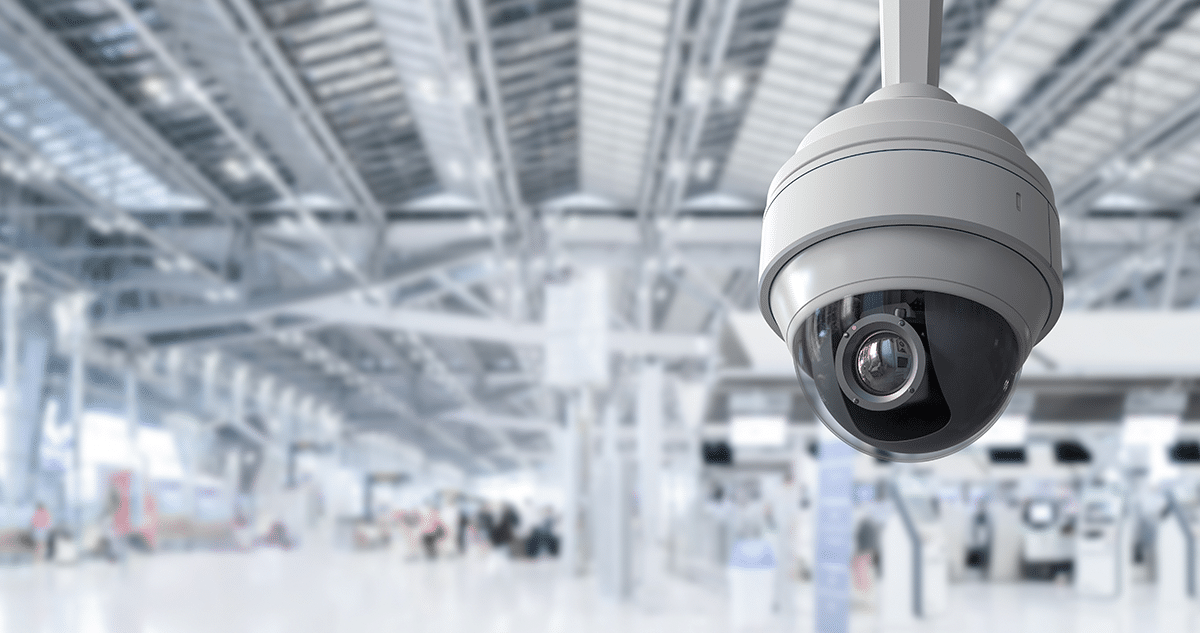
High-definition commercial security cameras form the backbone of any industrial security plan. For massive warehouse spaces, relying on outdated analog cameras is a liability. Modern IP camera systems offer 4K resolution, exceptional night vision, and weatherproof ratings necessary for the harsh Missouri climate.
When designing a surveillance layout, it is crucial to eliminate blind spots. Cameras should be strategically placed along the perimeter fence line, covering all entry and exit doors, and focused heavily on the loading docks. The loading dock is the most vulnerable area of any warehouse due to the continuous flow of vehicles and goods. Oversight of the critical loading and unloading process is accomplished with specialized dock door cameras.
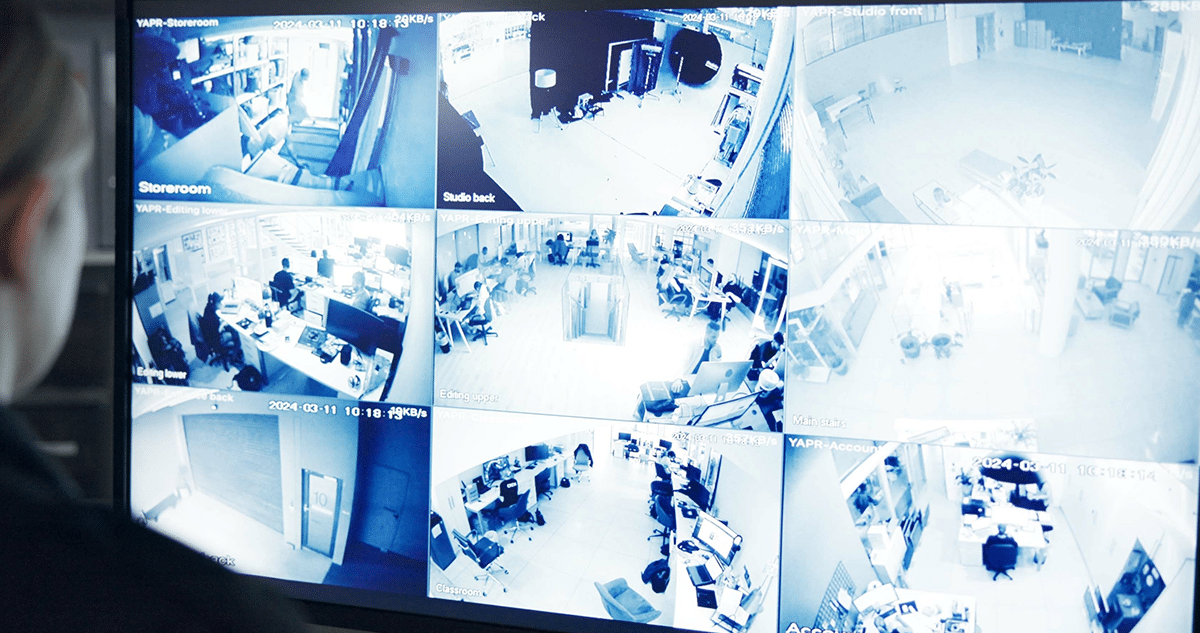
Furthermore, modern industrial security cameras utilize AI-powered video analytics. Instead of paying a security guard to stare at a wall of monitors, AI analytics can automatically detect unusual activity, such as a vehicle loitering near a perimeter fence at 2:00 AM or an individual crossing a restricted line, and instantly trigger an alert to management or a professional monitoring center.
Intelligent Access Control Systems
Controlling who can enter your facility, and specifically where they can go once inside, is paramount. Commercial access control systems replace traditional brass keys with electronic credentials, such as keycards, encrypted key fobs, or mobile smartphone access. For warehouses, implementing Role-Based Access Control (RBAC) is highly recommended. This allows facility managers to grant access based on an employee's specific job function. For example, general warehouse staff may have access to the main floor and break rooms during their scheduled shift, but their keycard will be denied if they attempt to enter the high-value inventory cage or the IT server room.
Access control systems create a transparent, unalterable audit trail. If inventory goes missing from a specific zone, management can instantly pull a report to see exactly whose credentials were used to access that area during the timeframe in question. This level of accountability drastically reduces internal losses.
Perimeter Protection and Intrusion Alarms
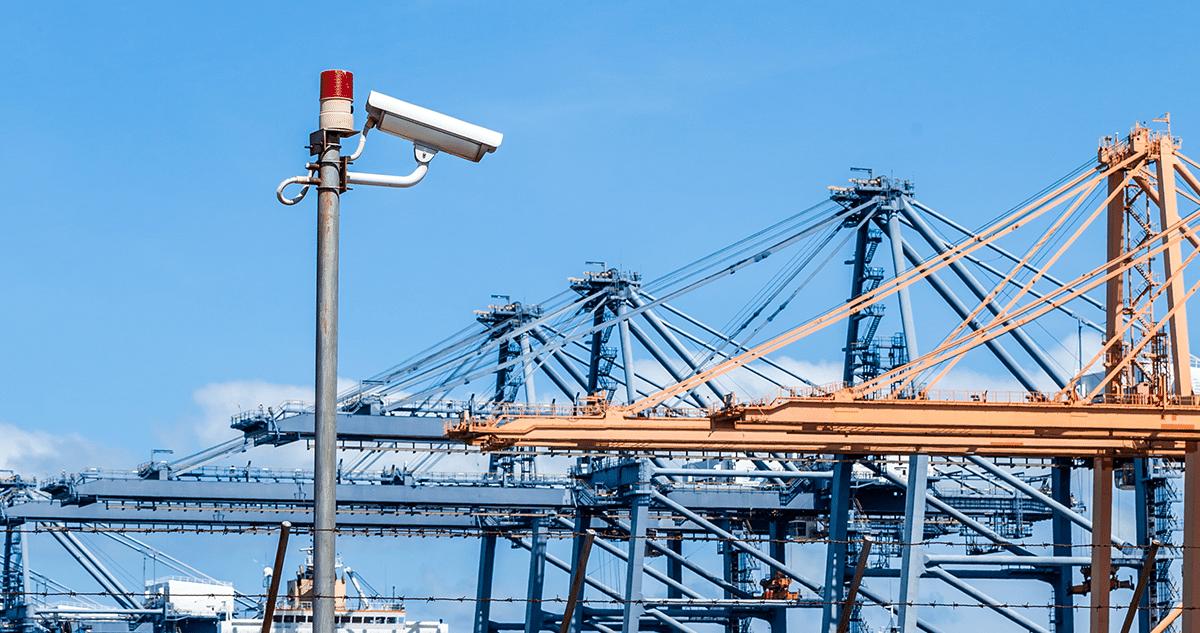
The first line of defense for any industrial property is the perimeter. A robust perimeter security plan includes high chain-link or steel fencing, automated gate access control, and brilliant LED floodlighting. Motion-sensor lighting can startle would-be intruders and ensure that security cameras capture clear, full-color footage of any nighttime activity.
Inside the building, a comprehensive commercial alarm system is essential. This includes motion detectors placed in strategic corridors, glass-break sensors on ground-level windows, and heavy-duty door contacts on all exterior entrances and roof hatches. When the facility is armed after hours, any breach will trigger high-decibel sirens and send an immediate signal to a 24/7 monitoring center.
Commercial Fire Alarms and Life Safety
No industrial security plan is complete without addressing fire safety. Warehouses, especially those with combustible materials or heavy machinery, face significant fire risks. A commercial fire alarm system must be custom-designed to meet the specific requirements of the International Building Code (IBC) and local St. Louis fire marshal regulations. Modern addressable fire alarm systems can pinpoint the exact location of a triggered smoke detector or heat sensor within a massive facility, allowing for rapid evacuation and directing first responders precisely where they are needed.
Best Practices for Securing St. Louis Industrial Facilities
Technology is only as effective as the procedures that govern its use. Implementing the following best practices will maximize the return on your security investment.
Conduct Regular Security Risk Assessments
The layout and operations of a warehouse change over time. Racking is moved, new inventory lines are introduced, and staffing levels fluctuate. Conduct a thorough security audit at least annually. Walk the perimeter to check for damaged fencing or overgrown landscaping that could provide cover for intruders. Test all access control readers and verify that security cameras are clean, focused, and free of blind spots.
Secure the Loading Docks
Because loading docks are the primary point of transfer for valuable goods, they require strict protocols. Implement a policy where all drivers must check in at a designated security vestibule before being allowed onto the warehouse floor. Use trailer seals and dock locks to ensure vehicles are not tampered with while waiting to be unloaded. Cross-reference all shipping manifests with video surveillance timestamps to verify that the correct pallets were loaded onto the correct trucks.
Implement a Unified Security Platform
The most common mistake facility managers make is operating their security technology in silos. If the access control system does not communicate with the video surveillance system, investigating an incident takes hours instead of minutes. By integrating these systems, a forced-entry alarm at a side door can automatically command the nearest PTZ (Pan-Tilt-Zoom) camera to focus on that door while simultaneously sending a video clip of the event to the facility manager's smartphone.
Partner with a Local Security Integrator
When securing a multi-million dollar industrial facility, off-the-shelf equipment will not suffice. Partnering with a professional and local security integrator ensures your system is custom-designed for your specific operational needs. A local provider understands the specific challenges of the St. Louis area, is intimately familiar with local fire codes, and can provide rapid, on-site service and support when needed
Ready to Protect Your Facility?
Securing a warehouse or industrial facility in the St. Louis area is a complex but necessary undertaking. The threats of internal theft, organized cargo crime, and operational hazards are real and costly. By investing in a comprehensive, integrated commercial security system, featuring advanced video surveillance, intelligent access control, and robust perimeter protection, you can safeguard your inventory, protect your employees, and ensure the smooth, uninterrupted operation of your supply chain.
Do not wait for a devastating loss to evaluate your security posture. Take a proactive approach today to build a fortress around your commercial assets. ABF Security has been protecting businesses throughout the St. Louis metro area, including Fenton, Earth City, and the surrounding industrial corridors, since 1978. Our team of certified security professionals specializes in designing and installing fully integrated commercial security systems tailored to the specific demands of warehouses and industrial facilities.
Contact us today for a free, no-obligation security assessment of your property.
FAQ
1. What is the most common security threat to warehouses?
Statistically, internal employee theft is the most common and costly security threat to warehouses and distribution centers, often occurring at a rate much higher than external break-ins. Employees have access to the facility and knowledge of security blind spots, making robust access control and surveillance critical. External cargo theft is the second-most significant threat, particularly for distribution centers handling high-value consumer goods.
2. Do warehouse security systems need to comply with fire codes in Missouri?
Yes. All commercial buildings in Missouri, including warehouses and industrial facilities, must comply with the International Building Code (IBC), the International Fire Code (IFC), and NFPA 72 (the National Fire Alarm and Signaling Code). The specific requirements, such as the type of fire alarm system, the number of smoke and heat detectors, and the monitoring requirements, are determined by the building's square footage, occupancy classification, and the nature of the materials stored within. Working with a licensed fire alarm contractor who understands local St. Louis and Jefferson County codes is essential to passing inspection. ABF Security has been a certified fire alarm installer serving the greater St. Louis area since 1978; our team knows exactly what local inspectors look for and will ensure your system meets every requirement from the ground up.
3. How much does a commercial security system cost for a warehouse?
Every warehouse and industrial facility is different, so there is no one-size-fits-all security solution. The right system is shaped by several key factors: the total square footage and layout of the facility, the number of entry and exit points that require access control, the nature of the inventory or materials stored on-site, the number of shifts and employees who need credentialed access, and whether the property requires a monitored commercial fire alarm system under local code. A facility storing high-value electronics will have very different security requirements than a general-purpose storage warehouse. The most effective way to get the right answer for your property is to have one of our certified security professionals walk your facility in person. ABF Security offers a free, no-obligation on-site assessment, and with decades of experience protecting St. Louis warehouses and industrial facilities, we know exactly what to look for.
4. How does access control improve warehouse security?
Access control systems replace physical keys with electronic credentials (like keycards or mobile apps). This allows management to restrict access to sensitive areas, limit entry to specific shift hours, and generate a detailed audit trail of exactly who entered which door and when, drastically improving accountability.
5. What types of security cameras are best for industrial facilities?
For industrial facilities, high-definition IP cameras are essential. Bullet cameras are excellent for long-range outdoor perimeter monitoring, dome cameras are ideal for indoor use due to their discreet nature, and PTZ (Pan-Tilt-Zoom) cameras are perfect for actively monitoring large, open warehouse floors or expansive parking lots.
6. Why do I need professional alarm monitoring for my warehouse?
Professional 24/7 alarm monitoring ensures that if an intrusion, fire, or environmental emergency occurs after hours, a signal is instantly sent to a UL-certified monitoring center. Trained operators verify the alarm and immediately dispatch local police or fire departments, minimizing potential loss and damage. For warehouses, this is especially critical because facilities are often unoccupied overnight and on weekends, meaning a break-in or fire could go undetected for hours without professional monitoring.
7. How can I secure the loading dock area effectively?
Loading docks should be secured using dedicated surveillance cameras focused on both the interior bay and the exterior trailer yard. Additionally, implement strict visitor management protocols for delivery drivers, utilize dock locks, and integrate access control on all doors leading from the dock into the main warehouse floor.