
For seniors, individuals with mobility challenges, and families caring for aging loved ones, safety at home is not a luxury, it’s a necessity. Having a reliable way to call for help in seconds can make all the difference during a fall, medical emergency, or unexpected situation.
That’s why more households in the St. Louis metro area are turning to monitored medical alert systems, smart, professionally monitored solutions designed to provide immediate assistance when it matters most.
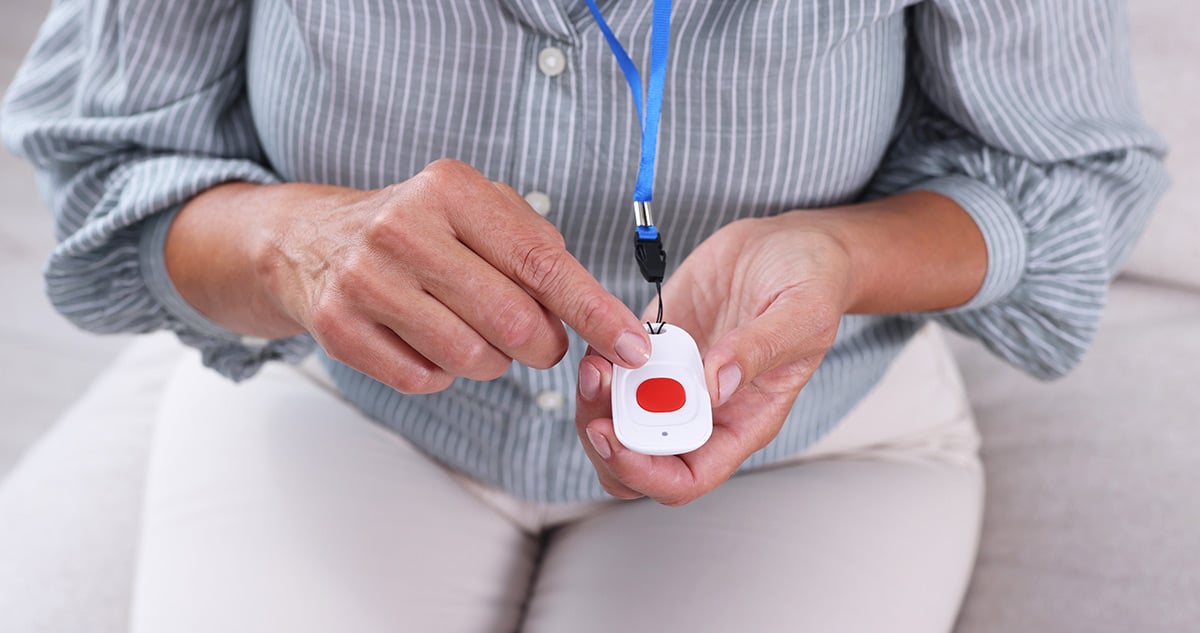
A monitored medical alert system is a wearable emergency device, typically a pendant or wristband, that connects users directly to a 24/7 monitoring center at the press of a button. Within seconds, trained operators can assess the situation and dispatch emergency responders or notify family members.
In St. Louis, these systems are widely used by seniors and individuals with health or mobility concerns to ensure fast, reliable help, whether they’re at home, in the yard, or on the go. As technology continues to evolve, today’s medical alert systems offer advanced features like fall detection, GPS tracking, and two-way communication, making them a critical part of modern home safety.
- What Is a Monitored Medical Alert System?
- How Do Medical Alert Systems Work in St. Louis Homes?
- Why Monitored Medical Alert Systems Are Safer for St. Louis Residentse?
- Monitored vs. Unmonitored Medical Alert Systems: Which Is Better?
- Key Features to Look For in a Medical Alert System
- Who Should Consider a Medical Alert System?
- Choosing a Medical Alert System in the St. Louis Metro Area
- FAQs
What Is a Monitored Medical Alert System?
A monitored medical alert system is a personal emergency response system (PERS) designed to provide immediate access to help during emergencies.
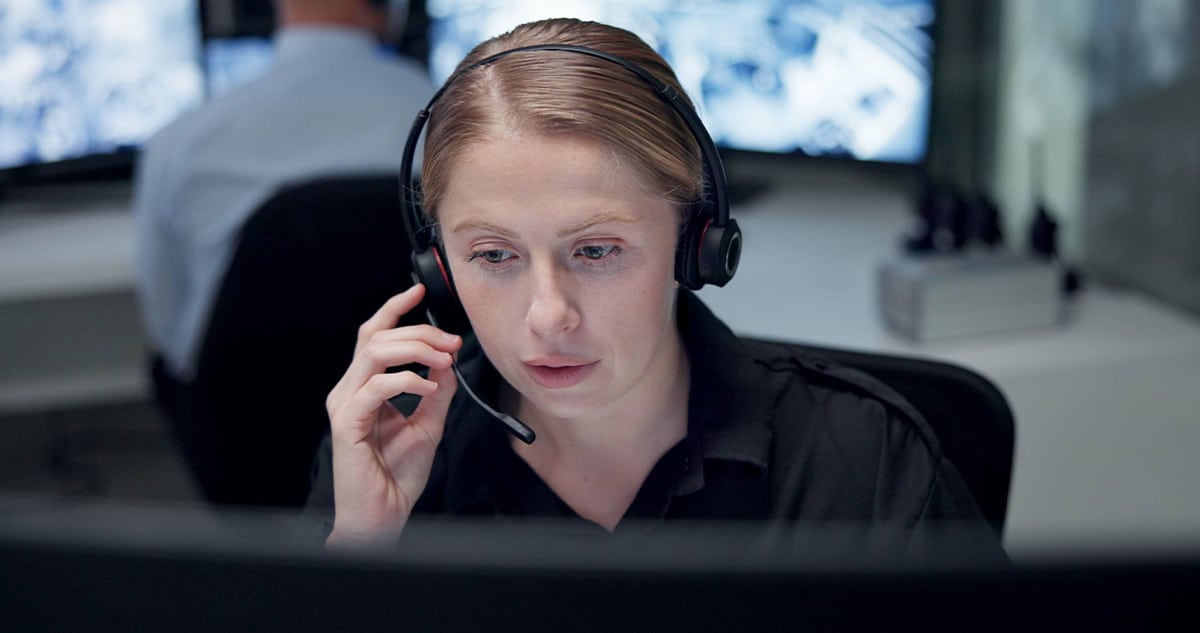
Unlike unmonitored devices that rely on family members answering a call, monitored systems connect directly to a 24/7 professional monitoring center, where trained operators respond instantly and dispatch help when needed.
Most systems include:
- A wearable help button (pendant or wristband)
- A base station or mobile unit
- Two-way voice communication
- 24/7 emergency monitoring
For many families in St. Louis, this level of protection offers peace of mind that help is always available.
How Do Medical Alert Systems Work in St. Louis Homes?
Medical alert systems are designed to be simple and fast—especially during high-stress situations.
Here’s how they work:
- An emergency occurs
A fall, medical issue, or unsafe situation happens. - The user presses the help button
The wearable device sends an instant signal. - Connection to a monitoring center
Within seconds, the system connects to a live operator. - Two-way communication begins
The operator communicates through the device or base station. - Emergency help is dispatched
EMS, a caregiver, or a family member is notified immediately.
In most cases, the entire process from pressing the button to speaking with an operator takes less than a minute.
Why Monitored Medical Alert Systems Are Safer for St. Louis Residents
While basic alert devices may call a relative, they depend on someone being available. A monitored system removes that uncertainty.
Benefits include:
- 24/7 availability with no missed alerts
- Trained emergency operators
- Faster emergency response
- Direct coordination with local St. Louis emergency services
- Backup contact options if family members are unavailable
For seniors living independently in areas like Chesterfield, Ballwin, or O’Fallon, this added reliability can make a life-saving difference.
Monitored vs. Unmonitored Medical Alert Systems: Which Is Better?
When comparing monitored vs. unmonitored medical alert systems, the main differences come down to response time, reliability, and overall safety.
Monitored medical alert systems:
- Connected to a professional 24/7 monitoring center
- Immediate response when the help button is pressed
- Trained operators assess the situation in real time
- Can dispatch emergency services quickly
- Do not rely on family or friends to be available
- Ideal for seniors, individuals living alone, or higher-risk users
- Provide higher overall safety and peace of mind
Unmonitored medical alert systems:
- Call a pre-set contact (family member, friend, or caregiver)
- Response depends on someone answering the phone
- No professional monitoring or emergency coordination
- Potential delays if the call is missed or ignored
- Better suited for lower-risk situations or added support only
Which is better?
- Monitored systems offer faster, more reliable emergency response
- Unmonitored systems can work for basic needs but carry more risk
- For fall risk or medical conditions, monitored systems are widely considered the safer option
Key Features to Look For in a Medical Alert System
If you’re searching for the best medical alert system in St. Louis, it’s important to focus on features that improve response time, ease of use, and overall safety, especially during high-risk situations like falls or medical emergencies.
Fall Detection
- Automatically detects sudden movements and triggers an alert, even if the user cannot press the button
- Critical for seniors or individuals at risk of falling
Wearable Comfort
- Lightweight pendants or wristbands designed for all-day use
- Comfortable, discreet, and easy to wear consistently
Two-Way Communication
- Built-in speaker and microphone for direct communication with monitoring professionals
- Allows users to explain their situation and receive reassurance immediately
Home & Mobile Coverage
Protection both inside the home and while on the go
GPS-enabled options help locate users in emergencies outside the home
Water-Resistant Devices
- Safe to use in the shower or bathroom, where many falls occur
- Ensures continuous protection without needing to remove the device
Battery Backup
- Keeps the system running during power outages
- Provides uninterrupted protection in critical moments
System Integration
- Can connect with existing home security or smart home systems
- Creates a more complete, centralized safety solution
Who Should Consider a Medical Alert System?
Medical alert systems are ideal for:
- Seniors living independently
- Individuals recovering from surgery
- People with chronic health conditions
- Those at risk of falls
- Individuals with mobility limitations
Common Situations Where Medical Alert Systems Help
- A fall in the bathroom
- Sudden chest pain or medical emergency
- Needing assistance when alone at home
- Feeling unsafe or disoriented
- Requiring immediate caregiver support
In these moments, having instant access to help can make a critical difference.
Choosing a Medical Alert System in the St. Louis Metro Area
When selecting a medical alert system in St. Louis, it’s important to consider not just the device—but the level of local support behind it.
Working with a St. Louis-based provider like ABF Security ensures:
- Faster coordination with local emergency responders
- Reliable installation and system setup
- Ongoing support from a team familiar with your area
- Monitoring solutions tailored to homes in St. Louis, St. Charles, Chesterfield, and surrounding communities
If you’re looking for a reliable medical alert system in St. Louis, ABF Security offers professionally installed and 24/7 monitored solutions designed to protect you or your loved ones at home and on the go.
Contact ABF Security today for a free consultation and personalized recommendation.
FAQ
1. What is the difference between monitored and unmonitored medical alert systems?
Monitored systems connect you directly to a 24/7 professional response center, ensuring immediate assistance during an emergency. Unmonitored systems, on the other hand, contact a pre-set family member or friend. Because they rely on availability, they can delay response time, making monitored systems the more reliable option.
2. Do medical alert systems work outside the home?
Yes. Many modern systems include mobile devices with GPS tracking, allowing users to stay protected anywhere with cellular coverage, throughout St. Louis and beyond.
3. How quickly does help arrive after pressing the button?
Most monitored systems connect you to a live operator within seconds. Once the situation is assessed, emergency services can be dispatched immediately for a fast response.
4. Do I always have to press a button to get help?
Not necessarily. Systems with automatic fall detection can recognize a fall and send an alert even if you’re unable to press the button yourself.
5. Can medical alert systems contact family members first?
Yes. Many systems allow for a customized response plan, where monitoring centers can notify caregivers or family members before contacting emergency services, depending on your preferences.
6. Are medical alert devices comfortable to wear?
Yes. Today’s devices are lightweight, discreet, and designed for all-day comfort, making them easy to wear consistently.
7. Do medical alert systems work during power outages?
Yes. Most systems include a battery backup, ensuring continuous protection even if your home loses power.